brass-bowl
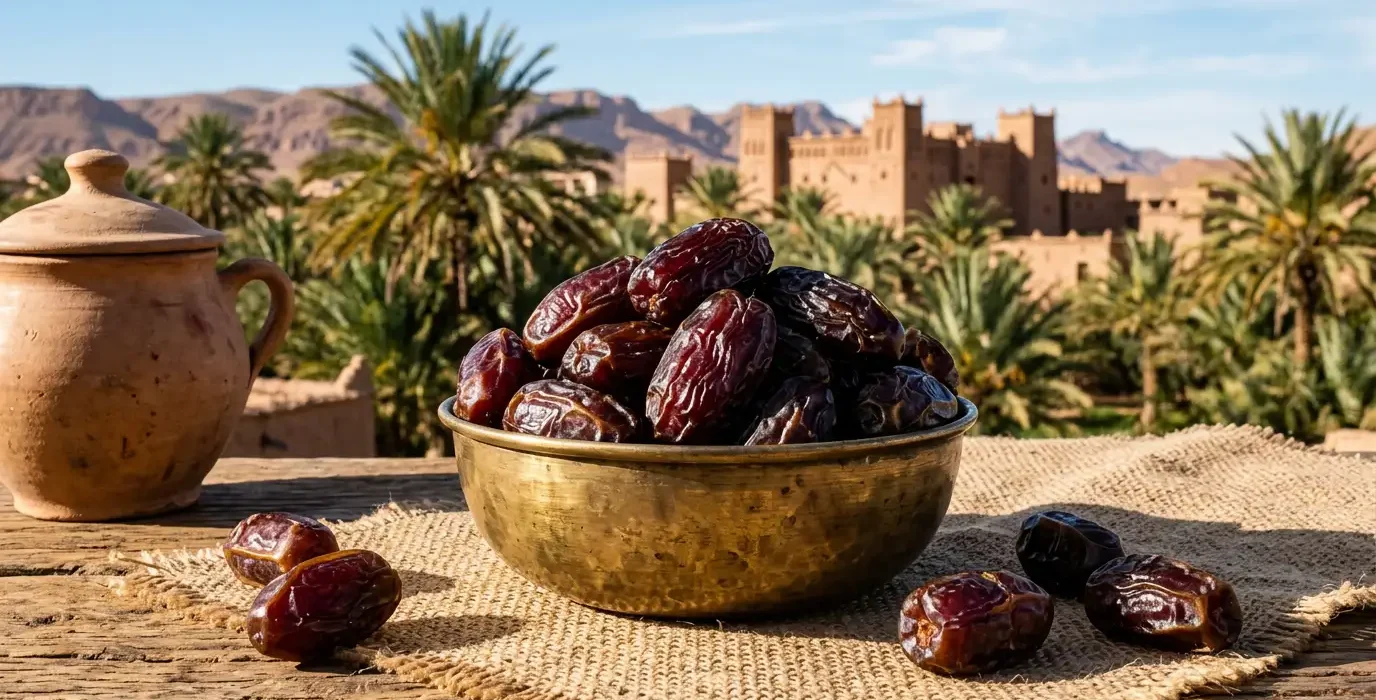
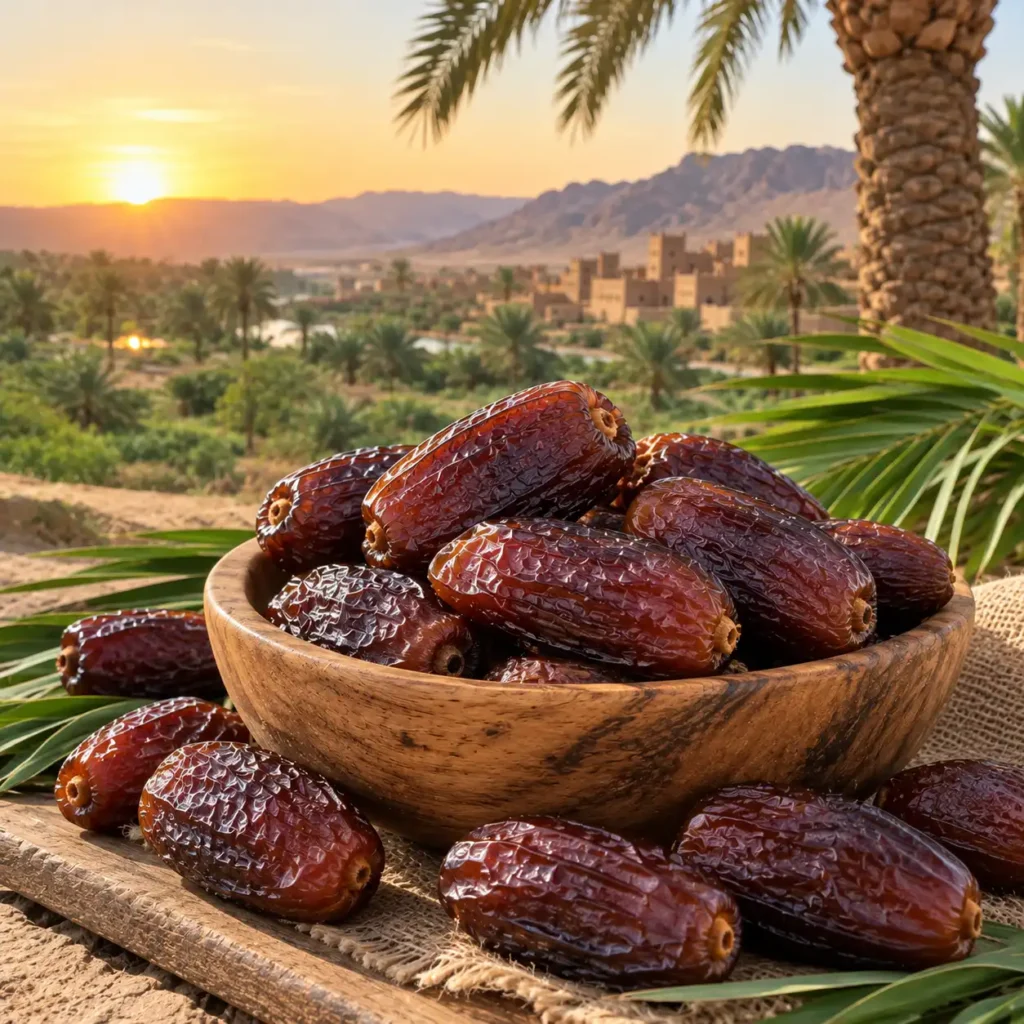
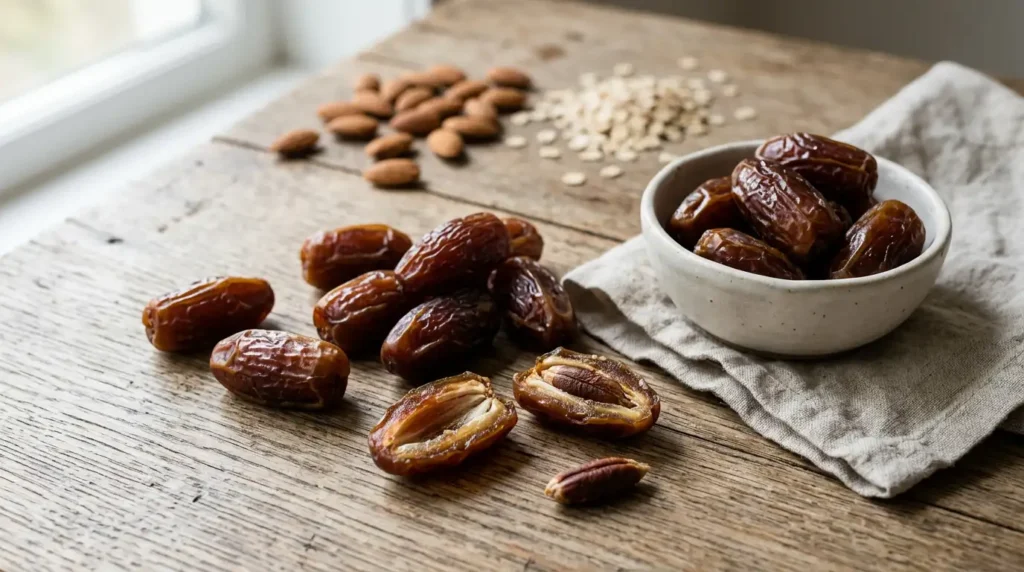
Medjool dates have a rich history rooted in the ancient oasis landscapes of Morocco. Known for their large size, soft texture, and naturally sweet flavour, they have travelled from traditional Moroccan farms to markets around the world.

Origin in Morocco

Medjool dates are closely associated with the Tafilalet region of southeastern Morocco, particularly the oasis of Boudnib. This region has a long tradition of date cultivation and trade.

A Heritage of Trade

For centuries, dates from the Tafilalet region travelled through traditional trade routes across North Africa and towards European markets. Their distinctive quality helped establish the region as an important centre of date cultivation and commerce.
editorial-food

A Remarkable Rescue

In the early 20th century, Bayoud disease severely affected Moroccan date palms and threatened the Medjool variety. In 1927, American agricultural explorer Walter Swingle brought 11 Medjool offshoots from Boudnib to the United States for preservation and propagation.

From Morocco to California

After quarantine and propagation, Medjool palms became established in California. The variety gradually became an important part of the American date industry, particularly in the Coachella Valley.

A Global Favourite

Today, Medjool dates are cultivated in several regions around the world. Their journey from Moroccan oases to international markets has made them one of the most recognised premium date varieties.

From Moroccan oases to global markets, Medjool carries centuries of agricultural heritage.

The story of Medjool dates is a story of heritage, resilience, cultivation, and global agricultural growth—connecting traditional farming practices with modern markets.